sábado, 29 de marzo de 2014

Piecing together the puzzle of history

A good information about how historians and archeologists deal with information in order to study the past. From the fantastic American Museum of Natural History website.

http://www.amnh.org/ology/features/bigideas_arch/

What do you know about archeology?

A quizz on the subject. From the American Museum of Natural History website.

a

Timeline of World History

AICOLE Madrid brings us this timelime in pdf format. It focus on Spanish Events.

http://www.educa.madrid.org/web/colegio1/aicole/sos5P/essential_resources/timeline_of_world_history.pdf

The Human Respiratory System

Circulation

viernes, 21 de marzo de 2014

Circulation and Excretion

Digital Book for this unit from Social and Natural Sciences 6 from OUP. It comes from the website blinklearning.com

https://www.blinklearning.com/coursePlayer/librodigital_html.php?idclase=216240&idcurso=83833

miércoles, 19 de marzo de 2014

Digestion and Respiration

In the website blinklearning.com we can find this unit as a demo for Social and Natural Sciences 6 by OUP.

a

miércoles, 5 de marzo de 2014

Viaje al interior del cuerpo humano

Magnífico documental de National Geographic. En este enlace podemos verlo completo (una hora y cuarenta minutos), desde el nacimiento hasta la vejez.


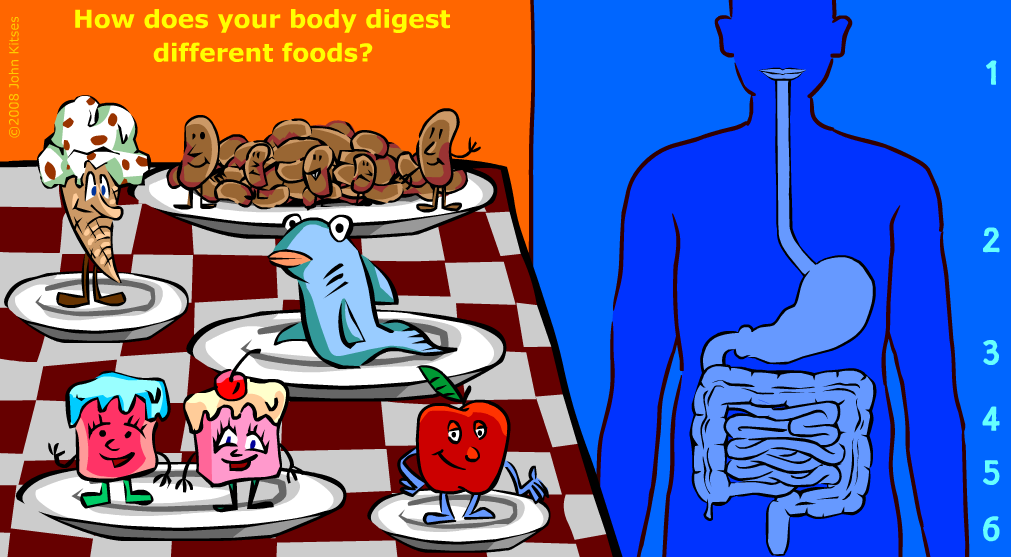
Digestion

A good animation from kitses.com. We can travel to the whole process with very clear explanations.

http://kitses.com/animation/swfs/digestion.swf

domingo, 9 de febrero de 2014

Population Pyramids and Population Words

We can find different types of population pyramids in the website 3dgeography.co.uk. We can find the differences among the different countries.
We can also find some definitions and explanations about the vocabulary related to the topic.

http://www.3dgeography.co.uk/#!population-pyramids/c1lzx

http://www.3dgeography.co.uk/#!population-words/c13q5

Spain Population Pyramids

In the web Populationpyramid.net we can find different Spain Population Pyramids from 1950 and the ones predicted up to 2100 So we can compare and talk about the evolution.

http://populationpyramid.net/spain/1950/